Watch the full recording of the conference and individiual talks on our YouTube playlist.
Day 1
Monday 22 March
14.00 CET: Welcome to Sharing is Caring 2021
Merete Sanderhoff and Christina Jensen, moderators
14.10 CET: A #sharecare tour of Europe
Greetings from hosts of Sharing is Caring X conferences
Antje Schmidt, Hamburg, April 2017
Sam Donvil, Brussels, June 2017
Karin Glasemann, Stockholm, September 2019
Saskia Scheltjens, Amsterdam, November 2019
14.35 CET: Comfort break
14.40 CET: Keynote 1
Peter B. Kaufman – The Fifth Estate: A New Old Role for Our Knowledge Institutions
15.00 CET: Keynote 2
Henriette Roued-Cunliffe – The record has left the building
15.25 CET: Keynotes in conversation
15.50 CET: Comfort break
16.00 CET: Ignite session I – explorative concepts
Alicja Peszkowska – Open Culture Gone Viral
Anne Mühlich & Gerd Müller – Living Democracy
Andreas Refsgaard – Creating new cultural histories with AI
Jonas Smith – Is it a bird!? Is it a plane!? Using machine learning to catalog SMK’s collection the robot way
16.20 CET: Chat with the ignites
16.45 CET: Wrap up of Day 1, looking ahead at Day 2
Merete Sanderhoff and Christina Jensen
20.00 CET: #sharecare21 After Hours at wonder.me
Hosted by Saskia Scheltjens and Larissa Borck
Day 2
Tuesday 23 March
14.00 CET: Welcome to Day 2
Merete Sanderhoff and Christina Jensen
14.10 CET: Keynote 3
Kati Hyyppä – Where open cultural content, motors, drilling machines and hot glue meet
14.25 CET: Keynote 4
Zuzanna Stańska – DailyArt: The unbelievable story of how an educational startup became a business
14.40 CET: Keynotes in conversation
15.05 CET: Comfort break
15.15 CET: The #sharecare 10 year anniversary quiz
15.35 CET: Ignite session II – new best practices
Jacob Wang – Hack4DK. 10 years of hacking our heritage
Stig Svenningsen – An aerial view of Denmark
Barbara Fischer – Imagine an ecosystem of semantic data
Jonathan Beck – Scan The World. An Open Source Museum
16.05 CET: Chat with the ignites
16.30 CET: OpenGLAM – looking back and looking ahead
George Oates in conversation with Merete Sanderhoff
16.45 CET: Wrap up of Day 2 and thank you
Merete Sanderhoff & Christina Jensen
17.00 CET: #sharecare21 After Party at wonder.me
Hosted by Saskia Scheltjens and Larissa Borck
Top photo: CC BY 4.0 Merete Sanderhoff
Zuzanna Stańska

DailyArt: The unbelievable story of how an educational startup became a business
DailyArt was launched in 2012 as a mobile app, which every day presents one piece of fine art with a short story. Throughout the years it has grown, and now the app reaches 800.000 people monthly and is available in 18 languages. Today, DailyArt now is not just a mobile app but also DailyArtMagazine.com, DailyArt Courses and DailyArt Shop. This is a story of how something very humble – a simple idea based on art masterpieces from open access collections, thanks to matching digital tools and the goodness of people interested in art history from all around the world – grew to a regular business.
About Zuzanna
Zuzanna Stańska is an art historian fascinated by using emerging technologies in museums. In 2012, she founded Moiseum, a tech consultancy helping museums and cultural institutions to reach their audiences with new tools, and also the popular app DailyArt. Since 2018, she is an expert at the European Commission’s Digital Cultural Heritage and Europeana Sub-group. She won the British Council Young Creative Entrepreneur Award in the Culture category in 2014, and was mentioned on the “New Europe Top 100 Challengers” list made by Visegard Fund, Google, Financial Times, and Res Publika. She is also an Alumni at Blackbox Connect.
She tweets @zstanska
Kati Hyyppä

Where open cultural content, motors, drilling machines and hot glue meet
What is it like to use digitized open cultural content as a part of creative processes? How is it similar to other materials such as wood, recycled objects, electronics and textiles? What about its unique characteristics? This talk aims to shed light on the nuts and bolts of using cultural heritage collections in hands-on artistic projects and workshops. It is also discussed how we could foster a closer dialogue between the meticulously catalogued digital artefacts and the messy workbench.
About Kati
Kati Hyyppä is a Finnish, Berlin-based artist and educator who works at the intersection of art and technology. Her practise is rooted in materiality and hand-making. Working with materials from recycled objects and electronics to textiles and open cultural content she explores alternative perspectives on our material and technological surroundings. Her projects often include an element of participation, speculation and humour as means to invite people in a closer, alternative dialogue with technology.
Kati’s website is http://katihyyppa.com
Peter B. Kaufman

The Fifth Estate: A New Old Role for Our Knowledge Institutions
In this presentation, MIT Open Learning’s Peter B. Kaufman discusses the social responsibility of the knowledge sector and knowledge institutions to publish as much information as possible into the online Commons. Kaufman will discuss the challenges to sharing knowledge over time and discuss the new imperatives before us in an age of pandemics, global economic crises, and worldwide disinformation.
About Peter
A writer, teacher, and documentary producer, Peter B. Kaufman is the author of The New Enlightenment and the Fight to Free Knowledge. He works at MIT Open Learning and the Knowledge Futures Group. Previously he served as associate director of Columbia University’s Center for Teaching and Learning; president and executive producer of Intelligent Television; a founding contributor to the Audio-Visual Think Tank at Sound & Vision in the Netherlands; co-chair of the JISC Film & Sound Think Tank in the United Kingdom; co-chair of the Copyright Committee of the Association of Moving Image Archivists; a member of the Scholar Advisory Committee of WGBH’s American Archive of Public Broadcasting; a member of the American Council of Learned Societies Commission on Cyberinfrastructure in the Humanities and Social Sciences; and a consultant to the Library of Congress’s National Audiovisual Conservation Center, the largest archive of moving images and recorded sound in the world.
He currently serves as a member of the editorial board of The Moving Image and also the editorial advisory board of the Russian Library, an initiative based at Columbia University Press to bring out more Russian literature into English, because Russian literature is the only thing that matters.
Henriette Roued-Cunliffe
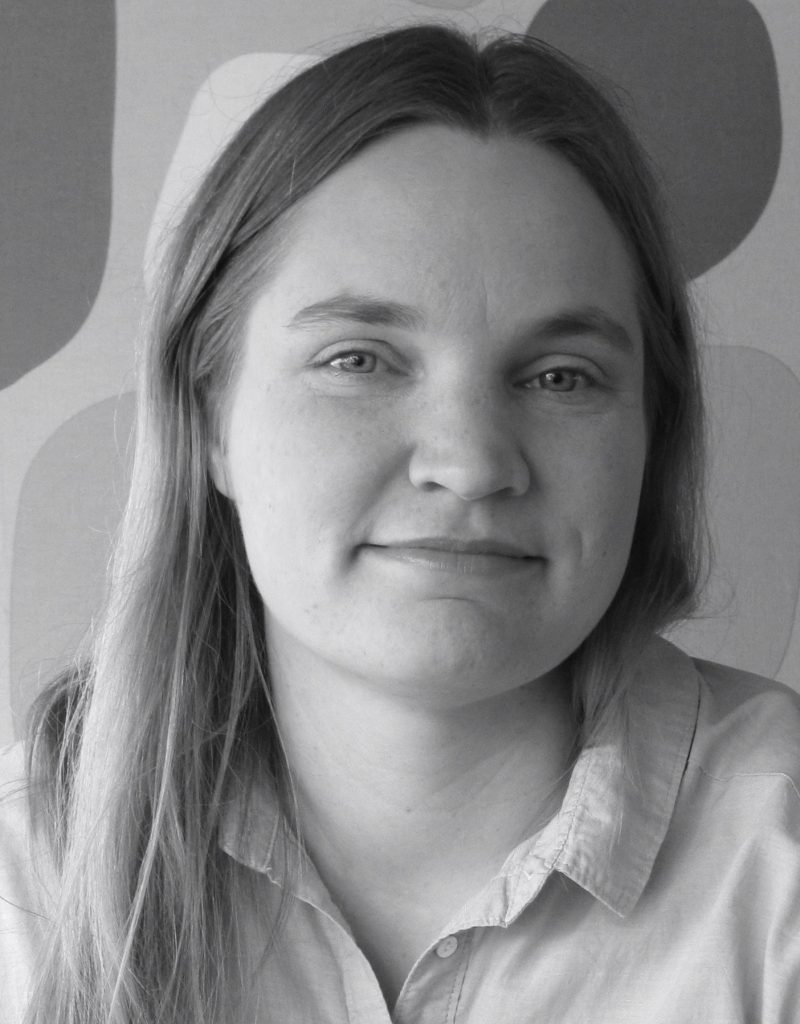
The record has left the building
Introducing Open Data in the GLAM sector means that the mediation of heritage is not the sole privilege of these institutions anymore. In theory anyone, anywhere can use heritage material that is fully open, for any purpose. However, in practise this has not happened to the degree many in the OpenGLAM community had hoped and others had perhaps feared. While researching the use of years of digitisation and online publication with various degrees of openness, I have discovered a lot to celebrate as well as issues that continue to stand in the way of incorporating OpenGLAM in education, creativity and research. At Sharing is Caring 2021 I will share this research alongside some of my own creative endeavours using OpenGLAM records.
About Henriette
Henriette Roued-Cunliffe is an Associate Professor in Digital Humanities at the Department of Communication, University of Copenhagen. With a background in Archaeological Computing and a doctorate examining digital tools for the reading of historic texts, her research is primarily in the use of data and digital tools within heritage. She has adapted this knowledge to teaching Digital Heritage and Data Science in the Humanities, as well as sharing tutorials online. This theoretical, empirical and applied research has resulted in the book Open Heritage Data – An introduction to research, publishing and programming with open data in the heritage sector (2020).
Alongside this she works to understand the data management practices and online interaction of citizen historians (for example family historians and amateur archaeologists). She co-edited the volume Participatory Heritage (2017).
You can find her online at @henrietteroued
Top photo: CC BY 4.0 Jonas Heide Smith
]]>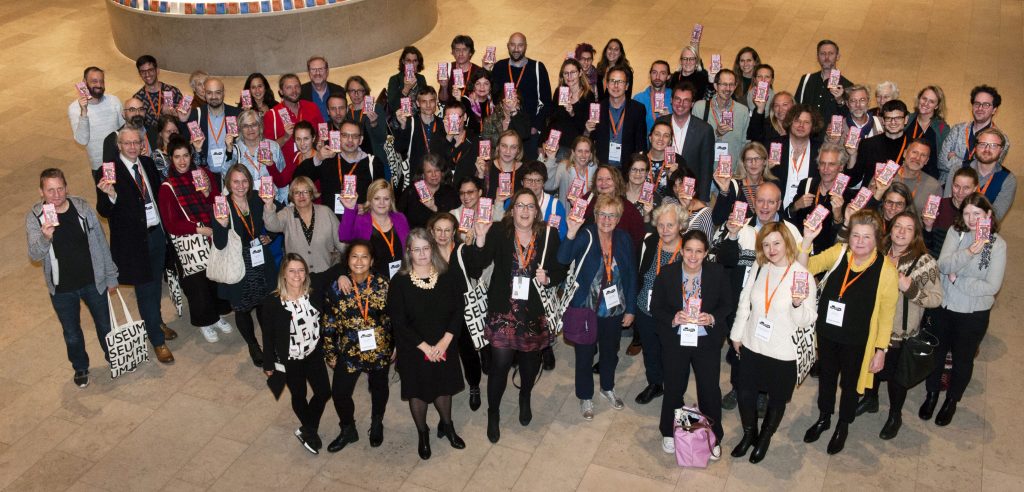
We would like to express our thanks to each of you who participated in Sharing is Caring X Amsterdam 2019 on November 22, 2019.
Over 90 persons from 62 organizations and 9 countries gave their time and resources to attend and to contribute. You made Sharing is Caring X Amsterdam to a success and it was a great pleasure to see so many of you there!
Hopefully you enjoyed it as much as we did and you used the opportunity to extend your existing networks.
We would like to give special thanks to our wonderful speakers, our programme committee, our organizing committee and all our other helpers.
The presentations (slides and recordings) can be viewed here.
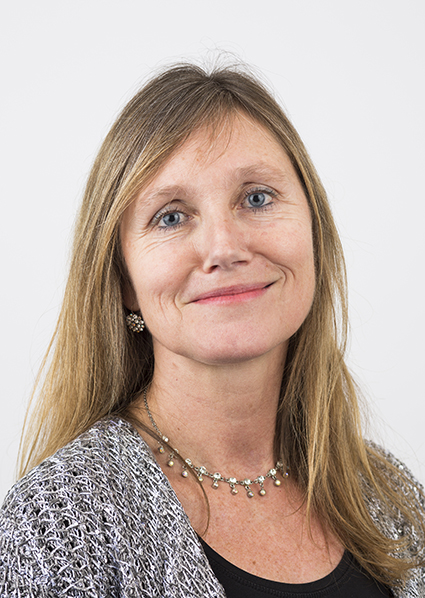
Dr Ingrid Dillo is Deputy Director at DANS (Data Archiving and Networked Services) in the Netherlands. She holds a PhD in history and has worked in the field of policy development for the last 30 years, including as senior policy advisor at the Dutch Ministry of Education, Culture and Science and the National Library of the Netherlands (KB). Among her areas of expertise are research data management and the certification of digital repositories. Ingrid is Co-chair of the Research Data Alliance (RDA) Council. She is also Treasurer of the Board of CoreTrustSeal (CTS) and Vice Chair of the Scientific Committee of the ISC/World Data System (WDS). Ingrid is project coordinator of the European H2020 project FAIRsFAIR.
]]>
Erma Hermens is the Rijksmuseum Professor in studio practice and technical art history at the University of Amsterdam and the Rijksmuseum, Department of Conservation and Science. She often works with interdisciplinary teams, liaising between curators, conservators, scientists and computer scientists, combining art historical and contextual research of objects, their composite materials, and methods of making, with scientific analytical and scientific imaging data. Present projects (all funded by the Netherlands Organization for Scientific Research, NWO): CT-scanning for Art: from Images to Patterns (IMPACT4Art); Imaging, Identification and interpretation of Glass in Paint (I3Glassp); Down to the Ground: Coloured grounds in Netherlandish 16th and 17th-century painting.
]]>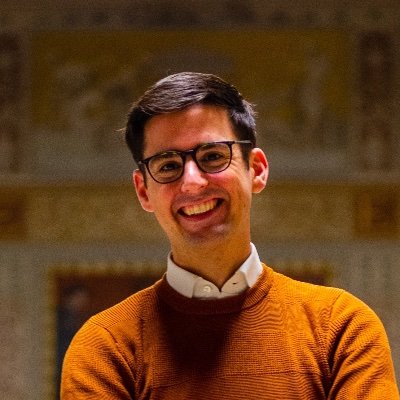
Chris Dijkshoorn is the coordinator of the Collection IT department of the Rijksmuseum. This department manages collection related applications, harmonizes collection data and ensures that the resulting data is usable for an (inter)national audience. Before, he worked as a data manager at the Rijksmuseum, while finalising his Ph.D. Chris implemented the Accurator nichesourcing platform and DigiBird collection integration system as part of his Ph.D. at the User Centric Data Science group at the Vrije Universiteit Amsterdam. He defended his thesis entitled “Nichesourcing for Improving Access to Linked Cultural Heritage Datasets” in spring 2019. Doing research at the Rijksmuseum, British Museum and the Netherlands Institute for Sound and Vision provided him with valuable insights into the requirements of institutions regarding Linked Data and crowd-sourcing.
]]>
Maarten Heerlien is Head of Collection Information at the Research Services department of the Rijksmuseum in Amsterdam. He studied Early-modern History and has been active in the heritage sector since 2008, working on digitization, enrichment and meaningful integration of heterogeneous heritage collection. In his current position Maarten is responsible for the management of the various collection data and information resources and for the underlying support framework within the Museum. Prior to the Rijksmuseum he worked at Naturalis Biodiversity Center, the national museum of natural history in the Netherlands where he set up and contributed to several national and European interdisciplinary projects and infrastructures focused on digitized collections.
]]>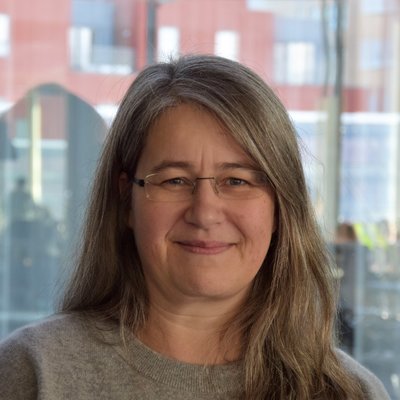
Saskia Scheltjens is Head of Research Services at the Rijksmuseum, developing new tools and services for researchers on top of a rich open data collection. She is one of the founders of the Art Libraries Society of Flanders/Belgium and both publishes and lectures on the matter of art librarianship, library history and open (library) data in Belgium and abroad. Saskia is involved in international digital humanities research projects and the support of digital scholarship as well.
]]>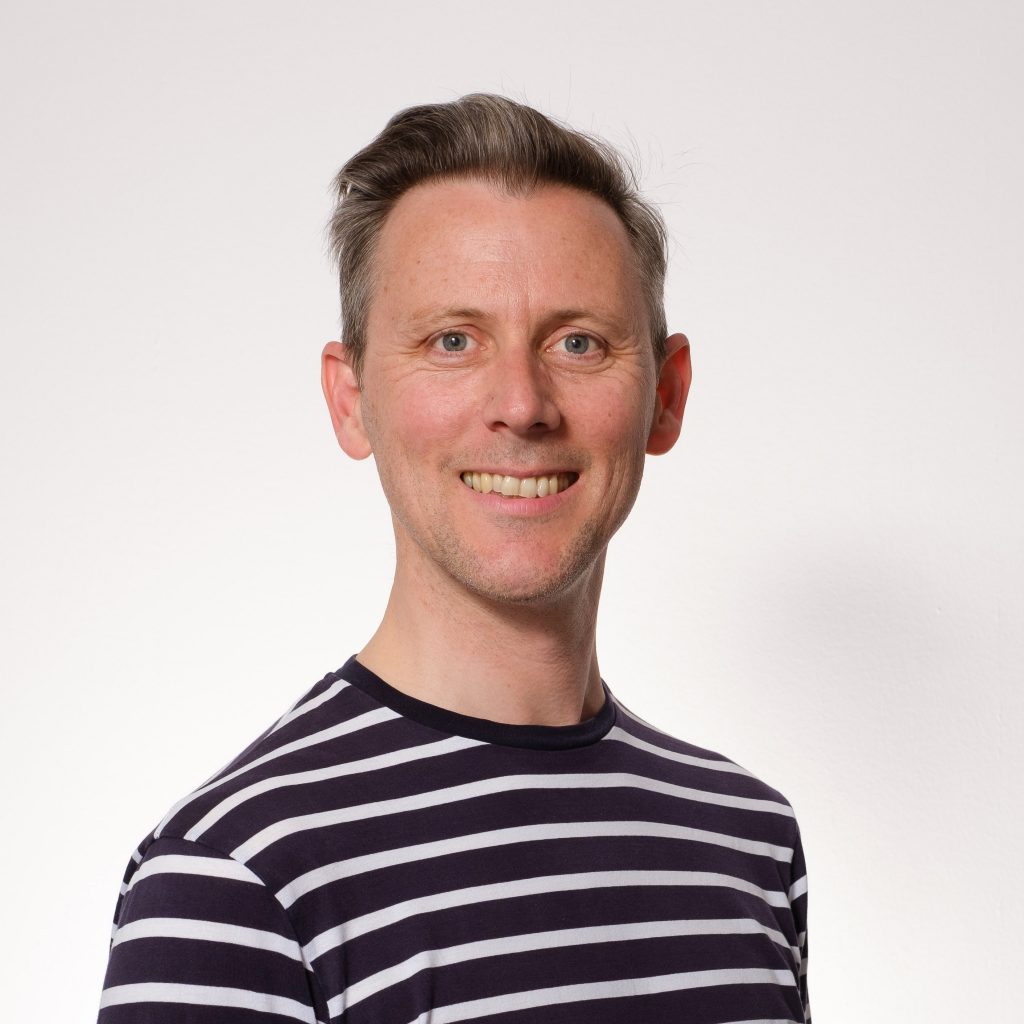
Douglas McCarthy holds an MA in Art History and has worked internationally in museums and archives for almost twenty years. In his current role as Collections Manager at Europeana, Douglas fulfils its mission to ‘transform the world with culture’ by creating compelling narratives with digital collections to be freely shared, reused and remixed. He writes regularly about open access for Europeana Pro and has interviewed leading professionals from institutions such as the Musée de Bretagne, Pinakotheken, Wellcome Collection, Slovak National Gallery and the Cleveland Museum of Art. Douglas is an active member of the global Open GLAM community and collaborates with many organizations such as Creative Commons, openglam.org and the Wikimedia Foundation. He leads an international survey of open access policy and practice in the GLAM sector with Dr Andrea Wallace and writes about this work on Medium. Douglas is the founder and co-editor of the Medium publication Open GLAM and he has been an Editorial Board Member of the Journal of Digital Media Management since 2012.
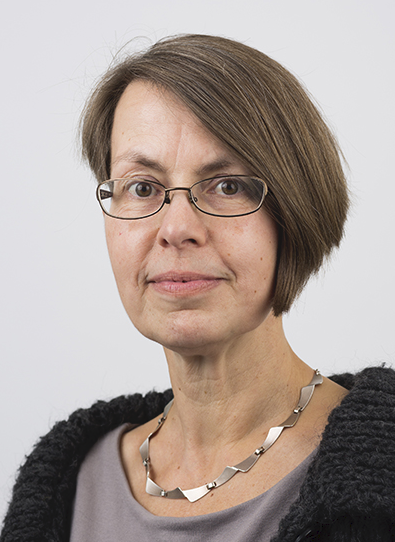
Marjan Grootveld is senior policy officer at DANS: “Data Archiving and Networked Services”. DANS is the Netherlands Institute for permanent access to digital research resources. Marjan is involved in consultancy and training on FAIR and Open research data management and participates in international projects such as FAIRsFAIR and OpenAIRE. She is also a reviewer for the CoreTrustSeal certification of trustworthy digital repositories.
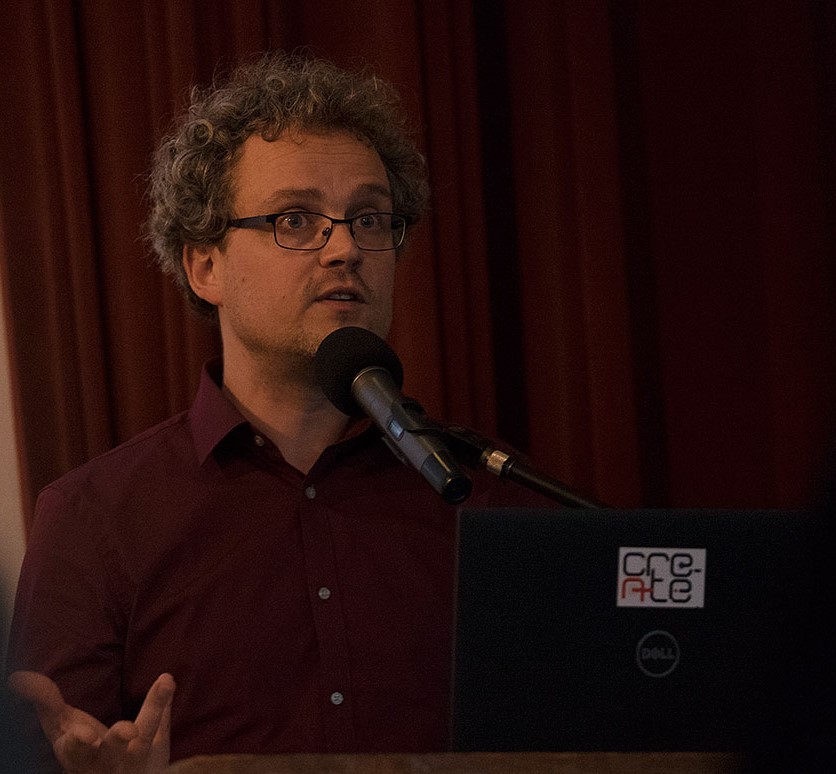
Thunnis van Oort is a media historian who specializes in the history of movie going. He is a researcher at CREATE (Creative Amsterdam: An E-Humanities Perspective) at the department of Media Studies at the University of Amsterdam and part of the Amsterdam Centre for Cultural Heritage and Identity. Before joining the Create-team, he coordinated and taught the Theatre and Media Studies track at University College Roosevelt. Previously he taught at Utrecht University, Vrije Universiteit and the Open University. In 2015, he visited Antwerp University as a Marie Curie Pegasus research fellow endowed by the Flanders Research Foundation (FWD). He wrote his PhD cL dissertation at Utrecht University on the emergence of cinema exhibition in the Catholic South, as `) part of the NWO project ‘ Cinema, Modern Life and Cultural Identity in the Netherlands, 1895-1940’. He is editor of the only media historical journal in the Dutch language area: Tijdschrift voor Mediageschiedenis / Journal for Media History. He is also editor of the next edition of Research Data Journal for the Humanities and Social Sciences, which focusses on research on datasets in the performing arts and media.
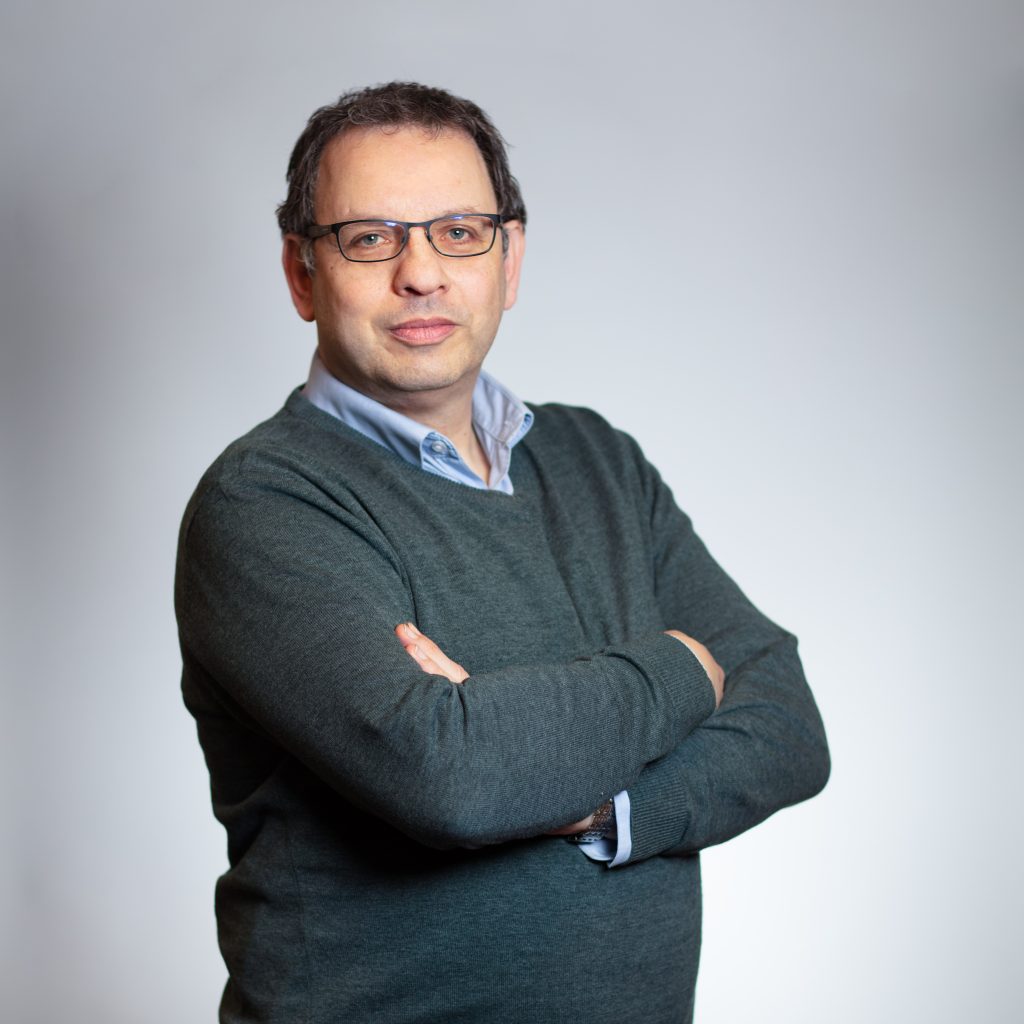
Marcus Cohen is a senior consultant at DEN, the Dutch national knowledge institute for culture & digitalisation. He finished his studies at Delft University of Technology on artificial intelligence and architectural design (1990). As an engineer he prefers a practical approach: “let’s start building”. He works on projects related to connecting data and developing a digital infrastructure for the arts and culture. Furthermore he works on ENUMERATE the operational framework for statistical data about digitization, digital preservation and online access to cultural heritage in Europe. Previously he worked in the performing arts.

Edda Japing has an M.Sc. in Environmental and Evolutionary Biology from the University of Leiden. She was a project member with the FES Digitization project at natural history museum Naturalis, helping to digitize 37 million objects. After Naturalis she worked for a few years as a web developer, specializing in websites for cultural institutions. Currently she is employed as Process Coordinator Digitization at the RKD – Netherlands Institute for Art History, where she provides procedural support for projects which involve digitization. She was the shared project lead for Artists4all, and is currently busy with a new project on Digital Archiving.
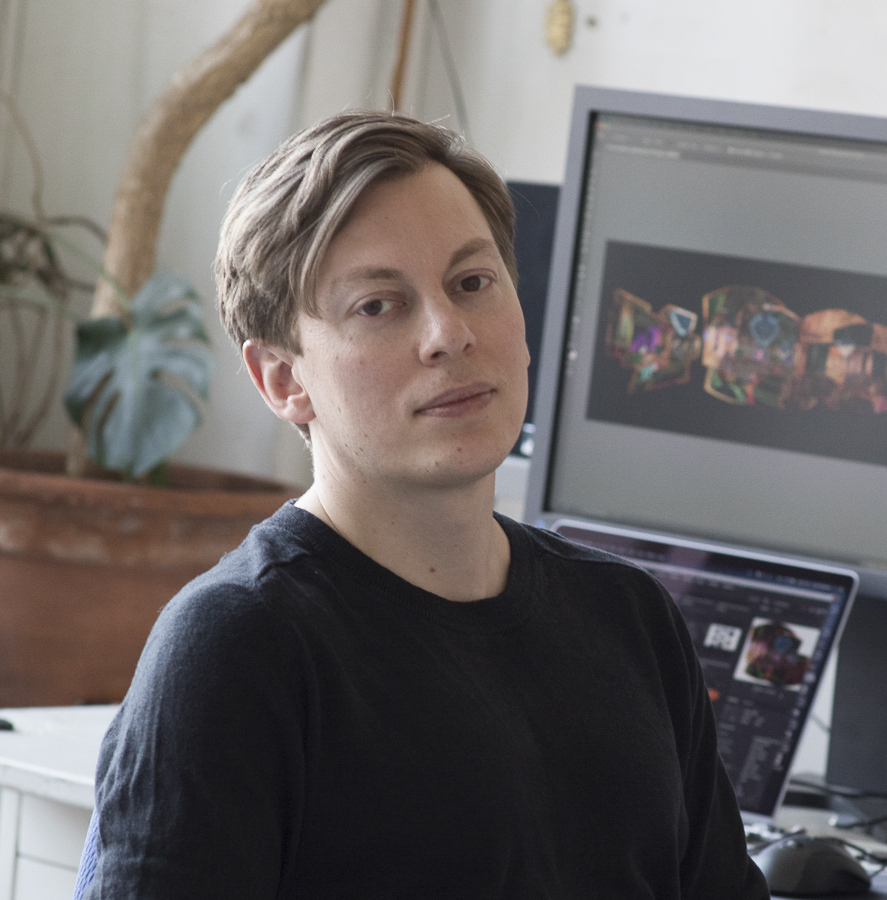
David Molander is a Swedish born visual artist that works with digital photo- and film collages and animation. He collects hundreds of photos and film clips, or images from digital archives that he dissects and digitally transforms into multilayered compositions. His work puts emphasis on new relationships between visual traces of social environment, links between time and space, living memory and the humans within it. Molanders artworks are exhibited in galleries and institutions for art and for built environment globally and he his works are in collections and public places in Sweden, United Kingdom, Switzerland and USA.

Brigitte Vézina, intellectual property and cultural heritage advisor at Brigitte Vézina — Law & Culture, is the copyright advisor to Europeana and a fellow with the International Law Research Program at the Centre for International Governance Innovation (CIGI), where she is analyzing the international intellectual property protection of cultural heritage. Past experience includes a decade as legal officer at WIPO, working on intellectual property and cultural heritage issues, as well as copyright and trademark-related work at UNESCO in Paris and with the Montreal-based intellectual property law firm Robic. Brigitte holds a Bachelor’s Degree in Law (LL.B.) from the University of Montreal (2002) and a Master’s in Law (LL.M.) from Georgetown University (2005, with distinction). She is a member of the Quebec Bar (2003).
]]>
Joe Padfield, National Gallery, London, Principal Scientist, with expertise in preventive conservation, colour science, conservation documentation, technical examination of paintings, generating/sharing digital images, image processing, web development, data management and integration systems development, database development, open-linked data, RDF triple stores and the semantic web. His main research interests include digital documentation and museum lighting, specifically investigating how the introduction of new types of lights (e.g. LEDs), affects how we compare and select appropriate lighting for museums. He is responsible for several of the National Gallery’s collaborative national and international external research projects including being responsible for a work-package examining the “Development of digital documentation and data” in the IPERION-CH (H2020) project and managed the The National Gallery’s involvement in the CrossCult (H2020) project. He is also an Interim Co-Coordinator of E-RIHS (H2020) DIGILAB.
]]>